
Pinot Gris vs. Pinot Grigio: What’s the Difference and Which One Should You Choose?
Published 23 April 2026 by Katrina Kupke
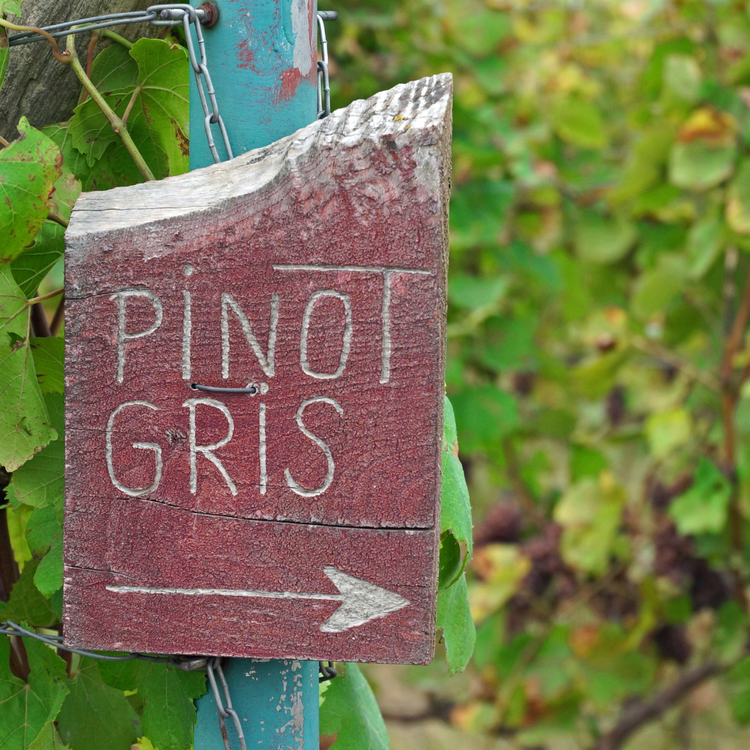
Many wine drinkers assume Pinot Gris and Pinot Grigio are completely different wines. Others think they're one and the same. The truth is probably somewhere in the middle. They do, after all, come from the same grape variety, yet the way they taste can be knocked off by factors like where they're from, how they're grown and how they're treated in the cellar.
Ready to get to the bottom of the difference between Pinot Gris vs Pinot Grigio and pick a wine that really speaks to you? Here’s what you need to know.
The Grape
Pinot Grigio
Pinot Grigio is the Italian name of the grape variety. It's a real crowd-pleaser for its light-as-air, refreshing character. It usually has a pale straw colour, with bright acidity and a flavour profile that's clean, delicate, and relatively easy on the palate. All of which makes it one of the most approachable and easy-drinking white wines.
The grape is a member of the Pinot family and is a natural mutation of Pinot Noir. Despite being used for making white wine, the grapes themselves have a greyish-pink skin. That's how it got the name "Grigio" (grey in Italian).
This thin-skinned grape is fussy about climate and soil conditions, so the location it's grown at can make a big difference to the final taste of the wine. In Italy, you tend to find Pinot Grigio in the cooler northern regions of Veneto, Friuli-Venezia Giulia, and Trentino-Alto Adige. These areas are perfect for the grape - warm sunny days to ripen the fruit, and cool nights to keep its natural acidity snappy. This balance is what gives the wine its signature freshness and crisp structure.
And then there's the question of when the grapes are harvested. Pinot Grigio grapes are often picked a bit earlier than those used for richer styles like Pinot Gris. That means they get to keep more of their natural acidity and their fruit flavours stay a bit lighter, so you get the fresh citrus and green apple notes that so many drinkers love in the wine.
Pinot Gris
Pinot Gris is the French name for the same grape variety, but people tend to associate the term with a richer, more textured style of wine. The grape itself is identical, but how it's grown and picked usually results in a fuller-bodied wine and more developed fruit flavours. The colour in the glass can appear ever so slightly deeper, with a hint of pale gold tones.
Like Pinot Grigio, Pinot Gris is part of the Pinot family and is actually a natural offshoot of Pinot Noir - it's the greyish-pink skin that gets the name "Gris" (meaning grey in French) from. Although the grape variety is the same, the conditions it's grown in and the way winemakers decide to make the wine can produce a noticeable difference in style.
Pinot Gris is well-known for coming from regions like Alsace in France, but it's grown pretty widely in places like Germany, New Zealand and parts of the US too. In Alsace, the cool yet sunny climate helps to ripen the grape slowly while keeping everything in balance. The combination of sunshine and a long ripening period really brings out richer fruit flavours and a more aromatic intensity.
When it comes to picking the grapes, Pinot Gris often gets left on the vine a bit longer, so they can develop higher sugar levels and more concentrated flavours. Leaving them on the vine later contributes to the wine's fuller body and those characteristic flavours of ripe pear, stone fruit, honey and gentle spices - all of which give Pinot Gris its richer and more rounded style compared to the lighter Pinot Grigio.
The Winemaking Style
Pinot Grigio
For Pinot Grigio, winemaking usually focuses on creating a light, crisp and refreshing wine that'll go down easy. Grapes are pressed quickly after harvest to avoid getting any colour from the skin, and the fermentation takes place in stainless steel tanks.
This helps preserve the fresh fruit flavours and bright acidity. The goal is a clean, easy-drinking wine that's all about delicate citrus notes and a refreshing finish.
Pinot Gris
Pinot Gris is often produced in a richer, more textured style. It often starts with letting the grapes ripen a bit longer before they get picked, which really increases the sugar levels and ends up with a fuller-bodied wine.
In some cases, the wine may get a bit more time maturing on its lees (that's the spent yeast cells), which adds texture and complexity. This can result in a wine that's smoother, more rounded, with more pronounced fruit flavours and sometimes a hint of spice or honey notes.
Which One Should You Go For?
When it comes to deciding between Pinot Grigio and Pinot Gris, the style of wine you like and the occasion are probably the biggest factors. Pinot Grigio is super light and refreshing, with plenty of citrus and green apple notes. It’s one of those wines that's just perfect for warm weather, sipping with friends, or teaming with some fresh seafood, salads or light pasta dishes. Because it’s just so easy to drink, it’s a pretty versatile option for all sorts of casual gatherings.
On the other hand, Pinot Gris offers a more intense, aromatic experience, a bit more weight in the glass and plenty of ripe pear, stone fruit and a hint of spice. That style of wine works really well with richer meals like roast chicken, creamy sauces or just subtly spiced food. And because it has a bit more going for it, it’s a great choice for people who like a bit more character in their wine, or want to really elevate a meal.
Best Way to Serve & Tips for Storing the Wine
The best way to get the most out of your Pinot Grigio is to serve it chilled at around 7-10°C (45-50F), while Pinot Gris is best served a bit warmer, at around 10- 13°C (50-55F), that way the aromas and textures come alive.
For storing both wines, just make sure you keep them upright in a cool, dark place - away from heat and light, ideal temp is 12-15°C (53-59F). For Pinot Grigio, a fridge will work fine for the short term, but don’t store Pinot Gris too cold, as that'll just mute its richer flavours. Once you've opened either wine, it’s best to enjoy it within 2-3 days for the best flavour.
Categories
Choose Wine supports the responsible service of alcohol. It is against the law to sell or supply alcohol to, or to obtain alcohol on behalf of, a person under the age of 18 years. Liquor licence number 57702255.
Choose Wine acknowledge the Traditional Custodians of the lands and waters on which we work and live on across Australia. We pay our respects to Elders past, present and emerging.