
What to Drink in Australian Summer vs Early Autumn: Transitioning from Crisp Whites to Lighter Reds
Published 12 January 2026 by Katrina Kupke

What to Drink in Australian Summer vs Early Autumn: Transitioning from Crisp Whites to Lighter Reds
January in Australia? Brutal heat, backyard barbies firing up, and the only thing colder than your beer is the glass you’re about to pour. Fast-forward to March-April, and the air’s got that crisp edge - perfect for lingering longer at the table without melting.
That’s where Australian summer vs early autumn wines come in. Summer screams for refreshment: think crisp whites and rosés that cut through the humidity like a cold shower. Early autumn? Time to ease into lighter redsthat bring a bit more warmth and character without knocking you out.
We’re talking seamless transition here - no drastic switch, just smart sips that match the weather and your mood. Let’s break it down.
Summer in Australia: Keep It Crisp, Keep It Chilled
When it hits 40°C and you’re dodging flies at the beach or backyard, heavy wines feel like punishment. You want something that refreshes, not weighs you down.
Why Crisp Whites Rule Summer
Crisp whitesare your summer cheat code. High acidity, bright fruit, low-to-medium alcohol. Australian versions from cooler spots shine: think zesty citrus, green apple, and a mineral snap that screams "chill me to the bone."
Top picks:
-
Sauvignon Blanc from Adelaide Hillsor Margaret River – grapefruit, passionfruit, herbs. It’s the ultimate poolside flex
-
Lightly oaked Chardonnay – lemon curd, white peach, no buttery overload. Perfect when you want elegance without the oak baggage
-
Pinot Grigio/Pinot Gris– light, pear-driven, with a whisper of spice. Underrated but deadly refreshing
Pro tip: Stick these in the fridge for 6-8 hours. Serve ice-cold. Your mates will thank you.
Rosé: The Summer MVP
Rosé isn’t just pink - it’s the bridge between white and red, and Aussies are killing it right now. Dry styles dominate: strawberry, watermelon, a touch of savoury herb.
Look for Grenache-based ones from McLaren Vale or Barossa- vibrant, not cloying. Or cooler-climate Pinot Noirrosés from Tasmania or Yarra Valleyfor extra zip.
It’s versatile: pairs with prawns, salads, or just straight-up sunset sessions. And yes, it’s serious wine - not some novelty.
- Manser One Mad Moment Rose 2024 ($25)
- Curator Wine Co. Hamlets Barossa Valley Montepulciano Rose 2024 ($22)
Don’t Forget Sparkling
Nothing says Australian summer like bubbles. Aussie sparkling (Chardonnay/Pinot Noir blends) brings green apple and brioche finesse. Or go Champagnefrom France for something special.
- Lambrook Sparkling Pinot Noir 2024 ($26)
- Wicks Estate 'Pamela' Sparkling Chardonnay Pinot Noir 2018 ($35)
- Champagne Herbert Beaufort Blanc de Noirs Grand Cru NV ($170)
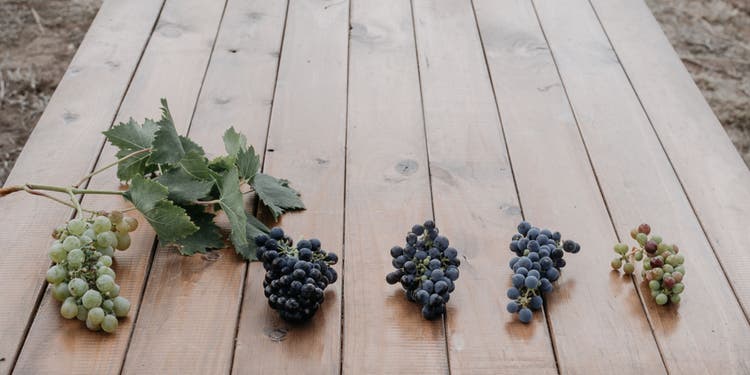
The Shift: Early Autumn – Time for Lighter Reds
Come March, the days shorten, evenings cool, and vintage kicks off in many spots. That’s your cue to pivot. Lighter reds step up: juicy, low-tannin, fruit-forward drops that work slightly chilled or at cool room temp.
They bridge the gap - still refreshing enough for lingering warmth, but with enough body for heartier food like grilled lamb or mushroom risotto.
Why Lighter Reds Make Sense Now
Australian summers can be savage, but early autumn brings balance. Lighter reds avoid that heavy, boozy feel. They’re built for transition: bright red fruit, soft tannins, a bit of spice.
Key varieties:
-
Pinot Noir from Adelaide Hills, Yarra Valley, or Mornington Peninsula– cherry, raspberry, silky texture. Elegant without trying too hard.
-
Grenache – McLaren Vale or Barossaold vines deliver bright berries, pepper, and floral lift. Often described as “Beaujolais pretending to be Australian.”
-
GSM Blends (Grenache-Shiraz-Mourvèdre) – lighter versions keep the spice and fruit without the full Barossapunch.
Chill these 15-18°C. Pop the bottle in the door of the fridge for 30-45 mins. Game-changer in mild autumn evenings.
Food Pairing Transition Tips
Summer: Seafood, salads, barbecued veg → crisp whites/rosés.
Early autumn: Roasted meats, pasta with tomato sauce, cheese boards → lighter reds.
The sweet spot? Rosé or chilled Grenache carries you through the changeover weeks.
Quick Comparison Table: Summer vs Early Autumn Picks
Here’s a side-by-side to make the switch dead simple.
Your Transition Playbook
Start mid-February: Mix in a chilled Grenacheor Pinot Noirwith your rosés. By March, flip the ratio. April? You’re deep in lighter reds.
It’s not about ditching whites – keep a crisp Sauvignonon hand for warm afternoons. The goal’s flow: match the glass to the weather, not force a season.
Australian wine’s strength is this flexibility. Cool-climate spots like Adelaide Hills deliver the crisp end of summer, while warmer regions soften into autumn-friendly drops.
Final Sip
Australian summer vs early autumn wines isn’t a hard rule – it’s about reading the room (or the thermometer). Crisp whites and rosés keep you cool when it’s scorching. Lighter reds ease you into cooler nights with more depth and conversation.
Next time you’re stocking up, grab a few from each camp. Your barbie will thank you in January, and your April dinners will feel properly sorted.
Got a favourite transition wine? Drop it in the comments – we’re always chasing the next good bottle. Cheers.
(If you're in Adelaide like us, hit the Hills for some fresh tastings – nothing beats trying these in the spot they’re made.)
Categories
Choose Wine supports the responsible service of alcohol. It is against the law to sell or supply alcohol to, or to obtain alcohol on behalf of, a person under the age of 18 years. Liquor licence number 57702255.
Choose Wine acknowledge the Traditional Custodians of the lands and waters on which we work and live on across Australia. We pay our respects to Elders past, present and emerging.