
Chardonnay
Published 8 September 2026 by Matt Wallace
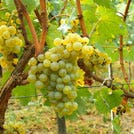
Chardonnay sits on the fence of many a wine enthusiast. Versatile, kind in nature and oh so compliant, however for most it's still dressed in attire that's so distinctly... 90s. Shoulder pads, overalls and bike shorts saw this particular version of white wine with such a wooded vengeance, we were practically asking the chefs to take the butter out of the meals to make way for it. Thankfully however, times are a changin'. Underneath all that 90s getup reveals elegance and sophistication and Australia is doing its bit to make Chardy interesting again.
History of Chardonnay
Chardonnay has had a long and strange history in Australia. Cuttings were brought in by James Busby in 1832 and given its massive popularity these days you might imagine we’ve been slurping Chardy since then but the reality is that it wasn’t until the 1970s that Chardonnay was bottled as a single varietal and even then the labelling was as about as a transparent as a politician 6 months out from an election. The initial Tyrrell’s Vat 47 Chardonnay was possibly labelled as Pinot Blanc and later became Tyrrell’s Vat 47 Pinot Chardonnay and it stayed that way until after the 2000s.

Chardonnay Cheat Sheet
One apocryphal story of the advent of Chardonnay as a standalone in Australia goes that Murray Tyrrell, having tasted a number of superb French Chardies jumped the fence into the Hunter Valley Distilleries vineyards in 1967 and ‘borrowed’ a few cuttings of Chardonnay… turning these into a vineyard and then producing Australia’s ‘first’ bottled Chardonnay in the early 70s, perhaps as early as 1972. Pieter Van Gent from Craigmoor winery also lays claim to being our first maker of Chardonnay. He’d left his job at Penfolds to become winemaker for Craigmoor and a visiting French Ampelographer identified an unknown variety as a particularly good clone of Chardonnay. Pieter reckons he made one trial barrel of Chardonnay at Craigmoor Winery in 1971 and then released the first commercially in 1972.
'Chardy' - it's versatile
Regardless, Aussie Chardonnay has seen some stylistic upheavals since its birth as a standalone table wine which is no surprise given its adaptability. It’s a rare grape that can make at least the fist of a decent drink wherever it is planted and can handle almost the whole gamut of winemaking techniques… cool climate, warm climate, free draining sandy loam over a clay subsoil vs red loam over limestone vs granitic loam over decomposed gravel and clay… cool ferments, warm ferments, wild ferments, 100% malolactic ferments vs no malolactic ferments and partial malo ferments, no oak (ok, maybe that’s akin to drinking flat Coke, doable but not guaranteed to please), some new oak, 100% brand new oak, fruit picked early and lean vs picked ripe; and finally, playing classical music quietly to the barrels vs dancing thrice anti clockwise around them while freestyle rapping, preferably naked.
That said there have been some general trends over time. Here’s a highly subjective and truncated timeline:
In the 80s and early 90s a lot of Australian Chardonnay was oaky, buttery and loud. Big boofy hair and spandex – looked great on the catwalk for about 5 minutes then started snoozing on shoulderpads, unable to be roused. Plenty of these wines were enjoyable for a glass then about as exciting as sitting through the rest of a hair metal band’s concert after they’d played their big hit. A lot of these wines were flat, broad and dead within a year or 3 of bottling. In the mid 90s there was the brief fashion for unoaked Chardonnay. Lots of boring and fairly fruitless fare along with the odd decent, even tasty wine. Marketed as a new flavour sensation, these unwooded chardies were touted as showcasing the true flavour of Chardonnay and offering Aussie consumers a stonefruity, mouthfilling and generally wonderful experience without all the butteriness and oak cluttering up the good stuff. It’s also true that unwooded Chardonnay is quicker to get to market and cheaper to make. Perhaps an expedient and convenient reaction to the markets pushback against the fat oaky styles.
What's happening to Chardonnay today?
More recently Chardy in Australia has really hit its straps. There are leaner styles and slightly bigger, broader styles. Inevitably both feature some oak. These days though, the oak is generally better quality, often tighter grained and larger format. There are still unoaked Chardonnays, some of them are even good, and there may always big huge, buttery, oaky numbers but the vast majority are balanced, with oak, quality fruit and varying degrees of complexity and persistence of flavour. There are more good to superb quality Chardies than ever before…
Australian Chardonnay Is Back — and It’s Bloody Good
If the words Australian Chardonnay still conjure up a glass full of oak, butter and regret, we should probably talk.
The big, ripe Chardys that ruled the 1980s and ’90s haven’t disappeared completely, but they’re no longer the whole story. Modern Australian Chardonnay can be fine and citrusy, rich and creamy, savoury and complex — or somewhere happily in between. The best examples still have flavour and texture; they’ve just learned when to turn the volume down.
So, if you joined the Anything But Chardonnay club years ago, fair enough. But it might be time for a rematch.
Why did Australian Chardonnay fall out of favour?
Chardonnay became a victim of its own success.
During the 1980s and ’90s, Australian Chardonnay was everywhere. The popular style was generous and full-bodied, often made with very ripe fruit, plenty of new oak and malolactic fermentation — the winemaking process responsible for many of those buttery flavours.
At its best, it was lush, layered and delicious. At its worst, it could feel like drinking a fruit salad through a plank of timber.
One small correction to the story: those wines generally weren’t sweet. They were usually dry, but ripe fruit, creamy texture, alcohol and vanilla-toned oak could make them seem sweet and heavy.
Eventually, drinkers went looking for something fresher. Sauvignon Blanc took off, the ABC — Anything But Chardonnay — backlash gathered steam, and Chardonnay found itself on the outer.
That backlash didn’t kill Australian Chardonnay. It gave winemakers a reason to rethink it.
What changed in modern Australian Chardonnay?
Modern Australian Chardonnay is generally fresher, more precise and better balanced than the big styles many drinkers remember. There was no single revolution; winemakers simply became much more thoughtful about where the grapes came from and how the wine was handled.
A few changes made a big difference:
- Better-matched sites: Cooler regions, higher vineyards and maritime influences help Chardonnay hold onto the natural acidity that gives the wine freshness and shape.
- Smarter picking decisions: Grapes are picked when flavour, ripeness and acidity are in balance, rather than being left to chase maximum richness.
- Oak with better manners: New oak is used more selectively, while older barrels and larger vessels can build texture without making the wine taste like a timber yard.
- More deliberate texture: Lees ageing and malolactic fermentation are used as choices, not default settings. They can bring creaminess and complexity without burying the fruit.
This doesn’t mean every modern Chardonnay is lean, sharp and unoaked. Far from it. There is still room for peach, cream, cashew, toast and all the good stuff.
The difference is balance: fruit, oak, texture and acidity pulling together rather than fighting for the microphone.
Is Chardonnay always oaky and buttery?
No. Chardonnay is one of the most versatile white grapes going around, and its flavour depends heavily on where it is grown and how it is made.
An unoaked or lightly oaked Chardonnay may be crisp and citrus-driven, with apple, pear or white-peach flavours. A barrel-fermented example may be fuller and more savoury, with cream, toast, nuts or spice.
A wine that has gone through malolactic fermentation may show a buttery note, but many winemakers limit or avoid that process when they want a tighter, fresher style.
Oak itself isn’t the villain. Badly handled oak is. Used well, it gives Chardonnay shape and texture without announcing itself every time you take a sip.
Which Australian Chardonnay regions should you try?
There is no single Australian Chardonnay style. Climate, vineyard, clone and winemaking all have a say, which is why the variety can look so different from one region to the next.
Margaret River: power with precision
Margaret River has earned its place among Australia’s benchmark Chardonnay regions. Its climate is warm but strongly moderated by the Indian and Southern Oceans, allowing grapes to develop plenty of flavour while retaining a firm line of acidity.
The region’s Chardonnays are often concentrated and complex, with white peach, citrus and grapefruit flavours, savoury oak and a distinctive lime-like freshness. Many also owe some of their intensity to the region’s prized Gingin clone.
If you want Chardonnay with richness but no shortage of energy, Margaret River is a very good place to start.
Yarra Valley: fine, savoury and detailed
The Yarra Valley’s cool climate and varied elevations make it capable of producing a broad range of Chardonnay styles. The best can be fine and restrained, with white peach, melon and citrus fruit, savoury complexity and carefully judged oak.
These wines tend to reveal themselves gradually rather than clobbering you on the first sip. If you value freshness, texture and detail over sheer size, Yarra Valley Chardonnay should be firmly on your radar.
Adelaide Hills: bright, textured and close to home
Altitude helps make the Adelaide Hills South Australia’s coolest wine region, and Chardonnay is right at home there. Typical examples combine peach and citrus fruit with good natural acidity, often landing in that sweet spot between delicacy and texture.
Styles vary across the Hills, but the common thread is freshness. Thoughtful barrel work can add creaminess and savoury depth without flattening the wine’s energy.
Mornington Peninsula, Tasmania and other cool-climate pockets are well worth exploring too. Chardonnay is far too versatile to be reduced to three postcodes.
What food goes with Australian Chardonnay?
Chardonnay is one of the easiest white wines to bring to the table because it can combine refreshing acidity with enough texture to handle richer food.
- Fresher, lighter styles: grilled fish, prawns, oysters, chicken salads and fresh cheeses.
- Medium-bodied, lightly oaked styles: roast chicken, salmon, creamy pasta and pork.
- Richer, more textural styles: roast poultry, mushroom dishes, buttery sauces and soft or washed-rind cheeses.
The simple rule is to match the weight of the wine to the weight of the dish. Save the delicate, citrusy Chardy for seafood and bring out the richer bottle when butter, cream or roast meat gets involved.
A few quick Chardonnay questions
Is Australian Chardonnay dry?
Yes, most Australian Chardonnay is made as a dry white wine. Ripe fruit, oak and creamy texture can make some examples taste rich or slightly sweet-fruited, even when very little residual sugar remains.
What makes Chardonnay taste buttery?
The buttery character usually comes from malolactic fermentation, which converts sharper malic acid into softer lactic acid and can produce a compound called diacetyl. Lees ageing and oak can add further creaminess, toast and texture.
Should Chardonnay be served very cold?
Cool, yes; arctic, no. Serving Chardonnay too cold can mute its fruit, aroma and texture. Give a richer bottle a few minutes out of the fridge before pouring and it will usually show much more of itself.
Ready to reconsider Chardy?
If it has been a while, forget the old stereotypes and judge what’s in the glass. Today’s Australian Chardonnay can be bright, layered, savoury, creamy, elegant — and, occasionally, all of those things at once.
Take another look at our Chardonnay collection, or explore a few different varieties side by side in our white wine mixed packs and cases.
You may discover that Chardonnay wasn’t the problem after all. It just needed to get its balance back.
Categories
Choose Wine supports the responsible service of alcohol. It is against the law to sell or supply alcohol to, or to obtain alcohol on behalf of, a person under the age of 18 years. Liquor licence number 57702255.
Choose Wine acknowledge the Traditional Custodians of the lands and waters on which we work and live on across Australia. We pay our respects to Elders past, present and emerging.