
Clare Valley Wine Region: The Complete Guide to Riesling, Shiraz and Beyond.
Published 22 September 2026 by Katrina Kupke
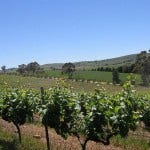
130km north of Adelaide (and west of the Barossa), the Clare Valley sits within a high-altitude pocket granting the vineyards cool to cold nights with long, warm to hot summer days. This cooler climate grants thin-skinned (and indeed temperamental) grapes like rieslings a perfect climate in which to mature slowly without risk of mould during the harvest season. The resulting wines are perfumed, complex, softly flavoured yet powerful.
There are several sub-regions in the 35km stretch of valley, pocketed with varying soils, altitudes and climates. West-facing, high-altitude slopes benefit from drying afternoon sun in summer, producing some of the regions best vintages. The vines are planted from 400 to 500 metres (1,300 to 1,600 ft). The higher altitude, compared to other wine regions in South Australia, ensures cool nights even during the heat of summer allowing the fruit to ripen more evenly and slowly. Soil is a mix of red to brown-grey over basement rock.
History
The region was first planted in the 1840's by James Green, and later by Jesuit monks who fled Silesia seeking the freedom to follow their faith. The Sevenhill Cellars, which was first established by the monks, is still owned and operated by them today, producing wine for Catholic ceremonies.
Visiting
The favourable climate ensures riesling is the standout variety, and the Clare is regarded as the Australian home of this renowned white. Thankfully, the sub-regions also produce very high quality Semillon, Sauvignon Blanc, and superbly complex reds, so a visit to the region is recommended. With dozens of boutique wineries, there are plenty of cellar doors in a small area so you can sample the delicious varietal expressions of acclaimed wineries such as Tim Adams, Pikes, Taylors, just to name a few.
Principal red varieties are Cabernet sauvignon and shiraz. They make a range of styles of varietal wines, reflecting different approaches to winemaking as well as the influences of the various sub-regions and micro-climates in the valleys.
If you ask us, the trip to Clare Valley is one of the most underrated drives in South Australia. It's about 130km north of Adelaide, just west of the Barossa, tucked up in a high-altitude pocket that gets cool-to-cold nights and long, warm-to-hot summer days. Sounds like a small detail, but it's actually the whole reason this place makes such ridiculously good wine.
That temperature swing is exactly what fussy, thin-skinned grapes like Rieslingneed to ripen slowly and properly, without any risk of mould sneaking in at harvest. It's why we (and pretty much every serious wine lover in the country) consider Clare Valleythe home of Australian Riesling.
Whether you're after a crisp Clare Valley Riesling for a Friday night knock off, a punchy Clare Valley Shiraz for Sunday roast, or you're planning an actual road trip up there, we've put together everything worth knowing about the region - the sub-regions, the history, and where to point the car for cellar door tastings.
Why Clare Valley Riesling Is So Good
Honestly, it comes down to patience. Clare's cool nights and warm days let Riesling hang on the vine, ripen slowly, and preserve its natural acidity. Which is what gives it that perfumed, aromatic profile with plenty of flavour intensity underneath. It's not a wine that's rushed, and you can taste it.
This is also exactly why Clare Valley has earned its reputation as Australia's premier Riesling region. If you've had a bottle before and wondered why it tasted so different to other whites, this is your answer.
Getting to Know the (Unofficial) Sub-Regions
Clare Valley runs about 35km end to end, but don't let the small footprint fool you, there's a surprising amount of variation packed in there. Different pockets have their own soils, altitudes and microclimates and the folded landscape of ridges, slopes, gullies and elevated vineyards genuinely influences what ends up in the bottle.
Altitude plays an important role. Many Clare vineyards sit around 400–500 metres, and the region is famous for the dramatic difference between warm summer days and much cooler nights. Those cool nights slow the ripening process and help grapes retain natural acidity—one of the reasons Clare can produce both intensely flavoured reds and remarkably fine, age-worthy Riesling.
Aspect matters too. North and north-east-facing vineyards generally receive more warmth, while southern aspects tend to be cooler. West-facing slopes avoid some of the morning heat but cop the stronger afternoon sun. Even vineyards on opposite sides of the same hill can therefore experience quite different growing conditions.
Soil and Geology here is seriously old and wonderfully complicated. Red loams, limestone, slate, shale, sandstone and alluvial soils appear throughout the region, sometimes changing dramatically over very short distances.
There are no legally defined subregions within the Clare Valley GI, but the region is commonly divided into five distinct areas: Auburn, Watervale, Sevenhill, Polish Hill River and Clare. They're not official sub-regions, but they're useful when trying to understand why wines grown only a few kilometres apart can taste noticeably different.
Clare
At the northern end of the region sits Clare itself, along with vineyards surrounding the township, Stanley Flat and neighbouring hills.
This part of the valley encompasses everything from deeper, more fertile soils on lower ground to elevated and exposed vineyard sites, so there's no single Clare style. Shiraz and Cabernet Sauvignon are particularly important, producing wines with Clare's trademark combination of generous dark fruit, structure and freshness.
Riesling remains important too, but this is a good place to remember that Clare Valley isn't just Riesling country. Shiraz and Cabernet have a very long history here and account for a substantial proportion of the region's vineyards.
Auburn
At the southern gateway to the Clare Valley, Auburn marks the beginning of the transition from the plains into Clare's increasingly undulating vineyard country.
There's considerable variation in elevation and soil as you move through the district, with Riesling, Shiraz and Cabernet all finding suitable sites. The wines can be generous and approachable, but—as everywhere in Clare—individual vineyard location matters more than any simple rule about the district.
It's also where the famous Riesling Trail begins before winding north through Watervale and Sevenhill towards Clare, more on that later.
Watervale
If there's one place that helped cement Clare Valley's international reputation for Riesling, Watervale has a pretty strong claim.
Here, red and brown loams occur over limestone, creating a very different geological environment to Polish Hill River further east. Watervale Rieslings are renowned for their purity, citrus and lime characters, fine acidity and ability to develop beautifully with age.
But don't pigeonhole Watervale as Riesling-only territory. Shiraz and other reds also perform extremely well, often combining ripe fruit with the structure and freshness that characterise Clare's best wines.
Sevenhill
Moving north from Watervale brings you to Sevenhill, right in the heart of the Clare Valley. This region is enormously important to Clare's wine history, as you will learn. The surrounding country is wonderfully varied, with vineyards tucked among hills, valleys and native vegetation. Riesling, Shiraz and Cabernet Sauvignon all thrive here, and the combination of elevation, cool nights and varied soils gives producers plenty of different sites to work with.
It's also a particularly good example of why talking about Clare in terms of individual vineyards can sometimes be more useful than drawing neat lines around supposed subregions.
Polish Hill River
Head east from the valley's main north–south axis and things change noticeably.
Polish Hill River sits in its own elevated valley, with ancient slate, shale and siltstone contributing to markedly different growing conditions from limestone-influenced Watervale.
It's particularly famous for Riesling. Polish Hill River wines tend towards an intense, tightly wound style—high in natural acidity, citrus-driven and often showing the stony, chalky characters commonly described as "mineral". They can be almost severe in their youth before becoming remarkably complex with bottle age.
Shiraz and other reds are grown here too, generally producing wines that emphasise structure, fragrance and freshness rather than sheer weight.
A Bit of History (It's Actually a Great Story)
Traditionally home to the Ngad-juri (Nad-jeur-ree) people, the first vines planted were likely Grenache by John Horrocks and Edward Gleeson in 1840. Not long after, a group of Jesuit monks arrived - they'd fled religious persecution in Silesia and came to Clare Valley in search of the freedom to practise their faith. They set up Sevenhill Cellars, which is still owned and run by the Jesuits today, producing altar wine for Catholic ceremonies right across Australia.
It's one of the most interesting stories in Australian wine, and Sevenhill is well worth a stop if you're up that way - there's a lot more history in the valley than people expect.
What to drink other than Riesling?
Riesling gets top billing (rightly so), but it's far from the only reason to pay attention to this region. Clare's varied sub-regions also turn out excellent:
Cabernet Sauvignon and Shiraz are the big reds here, and winemakers take genuinely different approaches depending on where in the valley they're working and what the microclimate gives them. So you'll find everything from elegant, restrained reds through to big, rich, full-bodied styles.
Planning a Visit? Here's Where to Start
Clare Valley punches well above its weight when it comes to cellar doors. Dozens of boutique wineries crammed into a pretty compact stretch, which makes for an easy day (or weekend) of tastings without much driving between stops. If you’re feeling adventurous, then the 33km Riesling Trail makes for a pleasant cycle between stops, of course remembering to ride responsibly....
A few names we'd always put on the list:
- Tim Adams
- Pikes
- Taylors
- Jim Barry
Kilikanoon deserves a good chunk of your day. It's set in an old 1860s farmhouse out at Penwortham, surrounded by cottage gardens, an orchard and vineyard views over the Skilly Valley. Beyond the regular tastings, Kilikanoon runs a multitude of events throughout the year, from wine dinners to the exclusive Revelation Experience in their private tasting lounge, where you work through the flagship Revelation wine alongside a hand-picked run of cellar selections. If you're planning a bigger group outing or a special occasion, it's worth checking their events calendar before you go - there's usually something on.
Mitchell Wines, tucked into the Skillogalee Valley, is the one we send people to when they want something a bit slower and more personal. The cellar door is set in an 1890s stone building that the Mitchell family has run since 1975, and it's about as cosy as cellar doors get - think a garden for warm days, an open fire for cold ones, and a chance you'll get poured by a member of the family while they talk you through the history. It's dog-friendly, relaxed, and a great spot to stretch a visit out over a cheese board.
Each one does its own thing with the region's signature Riesling, plus some seriously good Shiraz and Cabernet Sauvignon. If you're building a South Australian wine trip, Clare Valley deserves more than just a quick stopover.
Worth a special mention is Jeanneret Wines, out on Jeanneret Road in Sevenhill - the cellar door shares its site with Clare Valley Brewing Co and Three Little Birds Distillery, so if anyone in your group needs a beer break or a cheeky G&T between Rieslings, you're covered without even moving the car. It's a nice change of pace and a good excuse to linger a bit longer than planned.
And don't just budget for wineries. The pubs up here are half the reason people fall in love with the region. The Sevenhill Hotel is the classic pit-stop: log fire, a 150-year-old cellar room, and a menu that punches well above your average country pub.
Then there's the Watervale Hotel, which proves a country pub can be a serious dining destination. Founded in 1847, it's one of the oldest pubs in the Clare Valley, and since reopening in 2020 it has won dozens of awards, including Best Restaurant in a Pub or Club in Australia. The menu is farm-to-plate, drawing on the owners' organic Penobscot Farm, and the wine list covers almost every winery in the valley. Go à la carte, or book the farm tour and six-course degustation.
Up in Mintaro, the Magpie and Stump is one of the oldest pubs in South Australia and does a roaring trade in hearty food and live music on weekends. Either one is a great way to break up a day of tastings with a proper feed and a cold beer.
Can't Get There? We'll Bring It to You
No time for the drive? Fair enough. Have a browse through our full range of Clare Valley wine and see for yourself why this little cool-climate region keeps setting the standard for Australian Riesling - along with some excellent Shiraz and Cabernet Sauvignon from producers we reckon deserve more attention.
Categories
Choose Wine supports the responsible service of alcohol. It is against the law to sell or supply alcohol to, or to obtain alcohol on behalf of, a person under the age of 18 years. Liquor licence number 57702255.
Choose Wine acknowledge the Traditional Custodians of the lands and waters on which we work and live on across Australia. We pay our respects to Elders past, present and emerging.